Introduction
In our swiftly changing globe, the importance of emergency treatment can not be understated. Whether in a company setting, school, or in the house, knowing just how to respond successfully throughout a clinical emergency situation can save lives. However, with terrific duty comes the need for comprehending the laws controling emergency treatment methods. This post aims to give a thorough introduction of emergency treatment policies that every provider should understand. We hltaid009 CPR Course Near Me will certainly look into different aspects-- from crucial qualifications to the subtleties of CPR courses-- ensuring you leave equipped with knowledge and confidence.
Table of Contents
Understanding Emergency treatment Regulations- 1.1 Importance of First Aid Training 1.2 Legal Effects of First Aid
- 2.1 Sorts of First Aid Courses 2.2 Picking the Right Training Course for You
- 3.1 Comprehending mouth-to-mouth resuscitation Techniques 3.2 Significance of CPR Certification
- 4.1 Advantages of Combined Training 4.2 Just how to Locate an Integrated Course
- 5.1 Who Requirements an Emergency Treatment Certificate? 5.2 Legitimacy and Revival of Certifications
- 6.1 National Safety and security Council (NSC) 6.2 American Red Cross Standards
- 7.1 OSHA Standards for Work Environment Safety 7.2 Employer Responsibilities in First Aid Training
- 8.1 Basic Steps in Emergency Response 8.2 Duty of a First Responder
- 9.1 Common Mistaken beliefs about First Aid 9.2 Conquering Obstacles to Training
- 10.1 Virtual Discovering Opportunities 10.2 Technologies in Emergency Treatment Equipment
Understanding Emergency treatment Regulations
Importance of First Aid Training
First aid training is not just an important skill; it's a vital part of our social fabric that encourages people to act emphatically during emergencies.
- Life-Saving Skills: Recognizing standard emergency treatment techniques can drastically boost survival rates in emergencies. Confidence Building: Individuals learnt emergency treatment usually feel a lot more positive and prepared when faced with medical situations.
Legal Effects of First Aid
Understanding the lawful framework surrounding first aid is vital for anyone providing aid throughout emergencies.

- Good Samaritan Laws: Many states have regulations safeguarding those that render help voluntarily from legal obligation, as long as their activities are affordable and intended to help. Negligence Considerations: If a qualified supplier acts carelessly or fails to perform essential life-saving treatments, they could face lawful consequences.
First Aid Flows Overview
Types of Emergency treatment Courses
There are different types of first aid courses offered, each customized to satisfy different demands:
- Basic Life Assistance (BLS): Suitable for healthcare experts requiring advanced skills. Standard First Aid: Covers vital abilities ideal for laypersons and non-medical personnel. Advanced Cardiac Life Support (ACLS): Targets healthcare providers working with critically ill patients.
Choosing the Right Program for You
When selecting a training course, consider your objectives and scenarios:
- Are you looking for certification for work environment compliance? Do you require skills specific to childcare or senior assistance?
Researching neighborhood providers can help enhance your option based upon location and services offered.
CPR and Its Significance
Understanding CPR Techniques
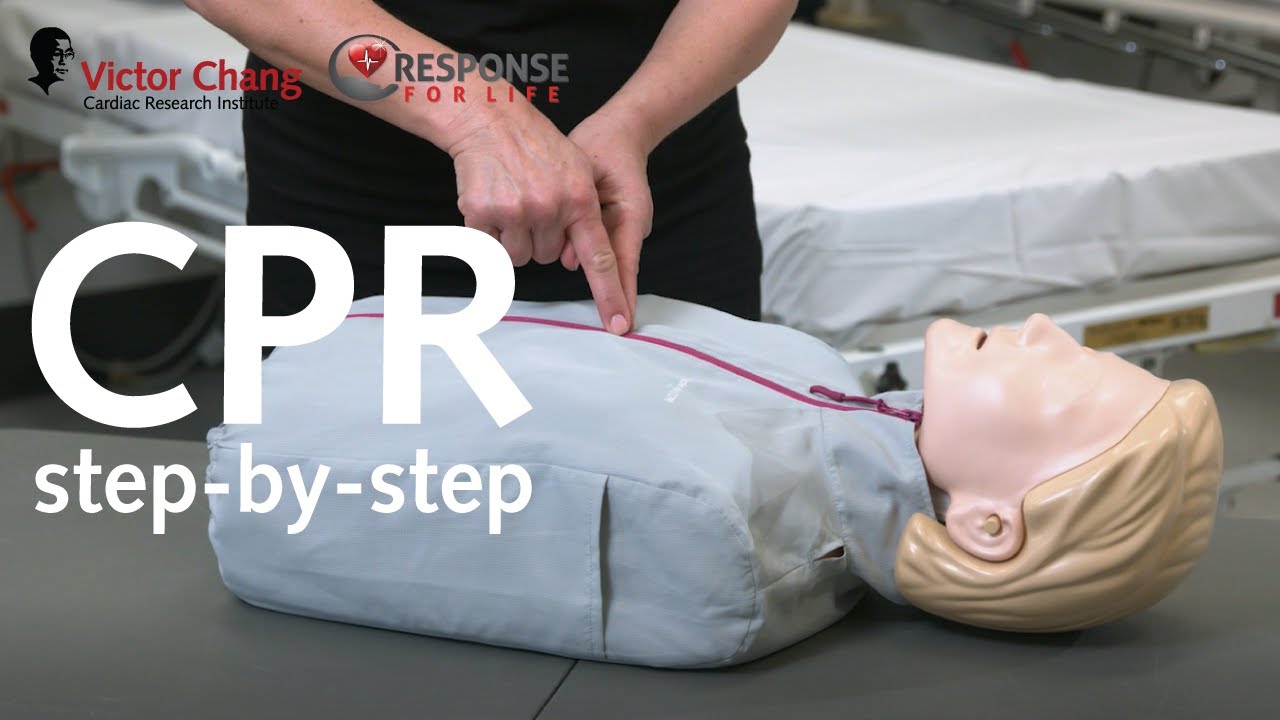
Cardiopulmonary resuscitation (MOUTH-TO-MOUTH RESUSCITATION) is among one of the most essential abilities learned in any kind of first aid course:
- Compression Technique: Efficient upper body compressions can keep blood moving to crucial body organs till professional help arrives. Rescue Breaths: While much less stressed currently because of new guidelines, rescue breaths continue to be an essential part of conventional CPR training.
Importance of CPR Certification
Obtaining qualification via acknowledged companies makes certain proficiency in doing mouth-to-mouth resuscitation:
- Many employers call for existing certification as part of their safety and security protocols. It boosts total confidence when encountering possible cardiac emergencies.
First Help and CPR Training Course Integration
Benefits of Mixed Training
Taking an incorporated first aid and mouth-to-mouth resuscitation course offers numerous advantages:

- It streamlines training by covering both areas simultaneously. Participants get detailed understanding relevant throughout different scenarios.
How to Discover an Integrated Course
Searching for incorporated training programs requires some critical preparation:
- Look for local community centers or health centers providing such courses. Online systems may likewise offer online options tailored toward active professionals.
First Help Qualification Requirements
Who Demands an Emergency treatment Certificate?
Various markets require qualification from employee:
- Educational organizations usually need teachers and trains to hold valid certificates. Healthcare settings demand ongoing training amongst personnel members.
Validity and Revival of Certifications
Most qualifications have expiration days:
- Regularly renewing qualifications guarantees that providers remain current with existing practices.
Regulatory Bodies Governing First Aid
National Safety and security Council (NSC)
The NSC plays an essential role in establishing criteria for safety training across the USA:
- They give resources, materials, and support for both instructors and students alike.
American Red Cross Standards
The American Red Cross uses considerable training programs straightened with national requirements:
- Their educational program includes hands-on method, guaranteeing individuals create useful skills together with theoretical knowledge.
Workplace Rules on First Aid
OSHA Standards for Workplace Safety
The Occupational Safety and Health And Wellness Management (OSHA) lays out expectations pertaining to workplace safety measures:
|Requirement|Summary|| -------------|-------------|| Schedule|Companies should guarantee access to ample first-aid resources in any way times|| Trained Worker|Designated staff members need to be trained in fundamental first aid|
Employer Duties in First Aid Training
Employers bear significant duties concerning staff member security:
- Providing proper training sessions regularly assists minimize work environment injuries.
Emergency Action Protocols
Basic Action in Emergency Response
An efficient emergency situation action procedure can considerably improve results during dilemmas:
Assess the circumstance safely. Call emergency situation services if needed. Provide necessary care up until expert aid arrives.Role of a Very first Responder
First -responders play a very useful role within emergency scenarios by supplying prompt assistance while waiting for innovative clinical treatment:
- Their prompt activity frequently makes a considerable difference between life and fatality scenarios.
Challenges in Implementing First Aid Training
Common Mistaken beliefs about First Aid
Misunderstandings surrounding emergency treatment can prevent reliable feedbacks throughout emergencies:
Myth vs Fact Table
|Myth|Reality|| ----------------------------------|------------------------------------------|| Only healthcare professionals need to provide emergency treatment|Any person can find out standard methods|| Utilizing an AED is harmful|AEDs are designed for public use|
Overcoming Obstacles to Training
Several barriers exist that may restrain individuals from pursuing first aid programs;
Key Barriers
- Time Restrictions: Hectic timetables make it tough for many people to find time for training sessions. Financial Limitations: Price may hinder interested candidates from participating; nonetheless, several companies provide subsidized training courses or grants specifically targeted at supplying economic relief.
Future Fads in Emergency treatment Training
Virtual Discovering Opportunities
With modern technology developing rapidly, on the internet systems have actually gained appeal amongst students looking for versatile alternatives;
- Real-time simulations enable participants to engage actively without requiring physical presence at standard venues; This technique enhances ease of access while fitting varied understanding styles!
Innovations in First-Aid Equipment
Emerging innovations are transforming just how we come close to first-aid preparation;
Examples Include
- Smart Bandages-- complete sensing units keep an eye on healing progress! Mobile Apps-- offering support based on individual input pertaining to signs and symptoms!
FAQs About Understanding First-Aid Regulations
Q1: What is consisted of in a typical first-aid course?
A common first-aid training course covers subjects such as injury treatment, crack monitoring, shock therapy, choking interventions, together with mouth-to-mouth resuscitation techniques tailored towards various age groups!
Q2: Exactly how often do I need to restore my CPR certification?
The majority of organizations advise restoring your certification every 2 years; staying well-informed ensures reliable feedbacks throughout emergencies!
Q3: Can I take an on-line first-aid course?
Absolutely! Numerous trustworthy organizations offer on the internet options permitting students adaptability while maintaining top quality requirements with interactive content!
Q4: Is there any age need for taking these courses?
Normally speaking-- no! Kids aged 10 or older can take part under adult guidance; however-- it's a good Visit this website idea that grownups accompany them throughout lessons!
Q5: Just how do I select between different carriers supplying comparable courses?
Examine reviews/testimonials from previous attendees together with inspecting accreditation status prior to choosing; this will guarantee top quality education supplied meets industry standards!
Conclusion
In recap-- making good sense outta laws bordering crucial locations like 'first-aid' & & 'CPR' is fundamental not just properly but personally also! As seen throughout this post-- many factors contribute in the direction of guaranteeing correct responsiveness throughout clinical emergencies including understanding needed qualifications-- along with recognizing challenges encountered whilst executing effective programs within community/workplace setups alike! By spending time/resources right into getting proficiency via pertinent training courses-- you'll be better positioned than ever-- should fate provide its unpredictability knocking at your door! Constantly keep in mind-- the capacity you have today could potentially save somebody else's tomorrow!